One Standard. Five Institutions. A Lifetime of Learning.
From a child's first morning in Nursery to the day a student recites the whole Qur'an from memory, every Sultan Hanafi institution is held to one CLEVER standard: rigorous secular scholarship and deep Islamic formation, taught not side by side but as one.
Each institution keeps its own character and calendar. Together, they leave no age of a Muslim family's education uncovered.
How the Five Institutions Cover Every Age
The two day schools form an unbroken spine from Nursery to graduation. Two further institutions are open at any age and to the wider community, and a fifth is in preparation.
Nursery & Primary Day school
Ages 2–10
Royal College Day school
Ages 10–18
Islamic & Arabic Studies Open to all
All ages · weekday & weekend
Qur'an College Day & boarding
All ages · Hifz to Ijazah
Online & Distance Anywhere
Programme in preparation
Age 25811141718+
Age-specific day school Open to all ages & the community
Secular Foundation+Islamic Foundation
Ages 2–10 · Day
Sultan Hanafi Nursery and Primary School
A child arrives at two and leaves at ten able to read, to reason, and to pray without being reminded. The Nigerian curriculum and daily Islamic formation are one upbringing here, taught by the same staff, in the same room, to the same child. Entrepreneurial thinking and basic technology are introduced at this stage rather than deferred to secondary school; Coding already appears on the Junior School's assessment schedule. Led by Head Teacher Mrs. Mariam Tope Anofi-AbdulKareem.
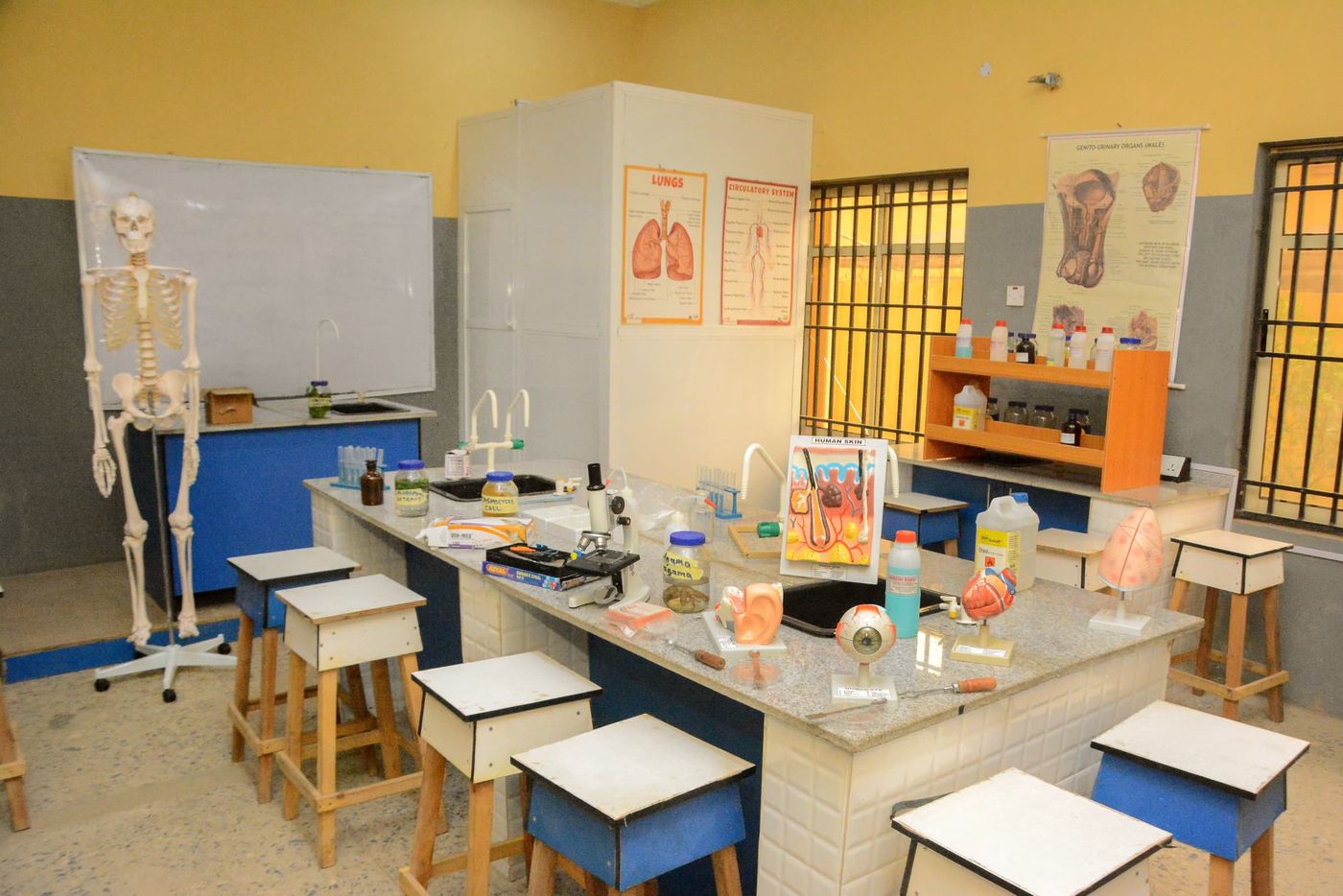
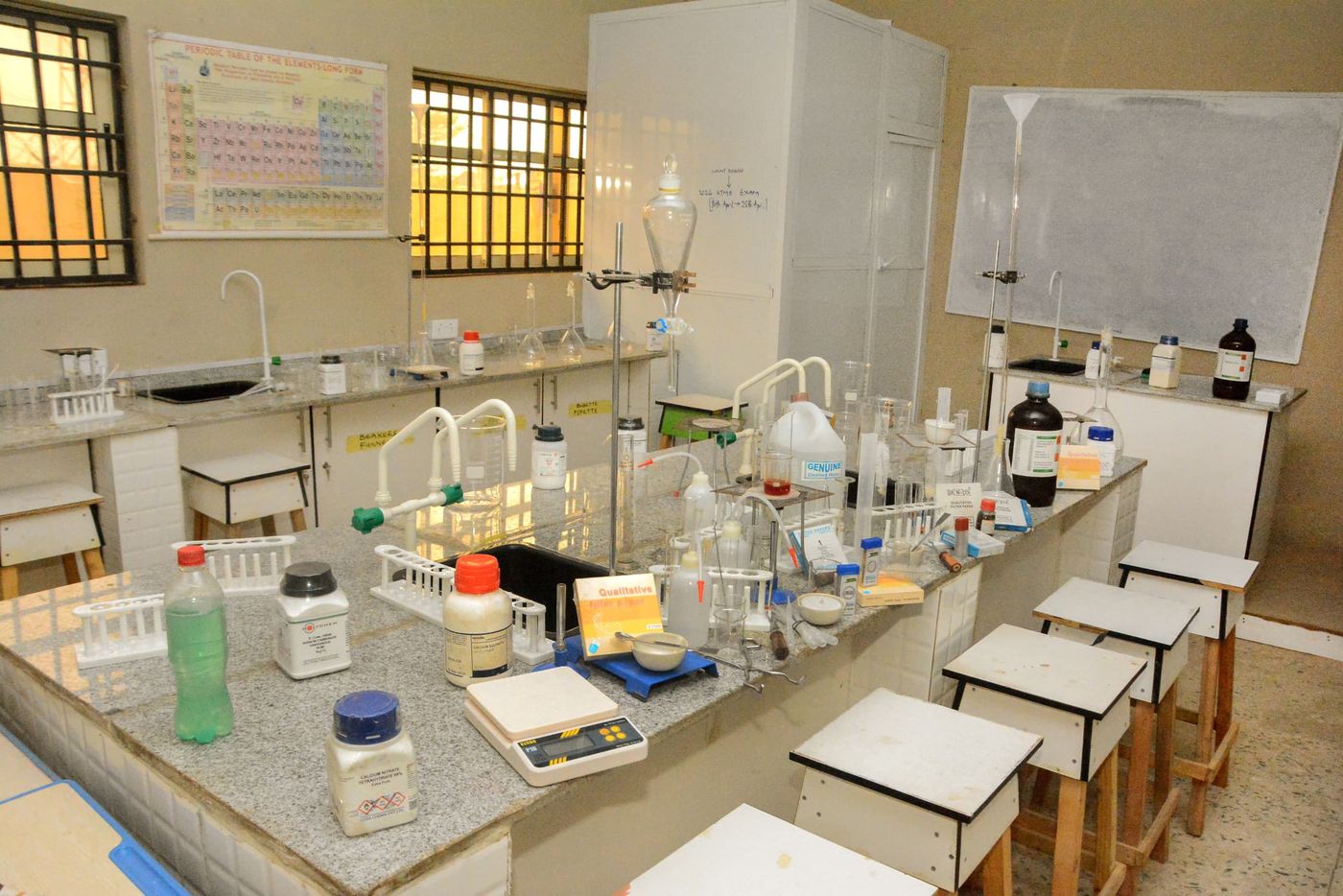
Established in 2021, Royal College carries a student from JSS 1 to SSS 3 through its academic departments, to the BECE and then to WAEC and NECO. Biology, physics and chemistry are taught in dedicated laboratories on campus. Arabic and the Islamic Sciences are departments here, timetabled, examined and staffed on the same terms as the sciences, which is the clearest statement this school makes about what it believes. Led by Dr. Adegoke Musa Olatunji.
CurriculumNigerian National CurriculumLearning ModelSubject departments, JSS 1 to SSS 3
Sultan Hanafi School of Islamic and Arabic Studies
The one institution here open to the whole community, not only to enrolled pupils, and adults are welcome. Arabic is taken to genuine proficiency and the Islamic sciences are taught on the Saudi Arabian curriculum, on a weekday and weekend timetable built to fit around work and school, following the same standard admission process as the school's other enrolled institutions. Open to the wider Muslim Ummah. Led by Principal Shaykh Abubakr Solah.
CurriculumSaudi Arabian curriculumLearning ModelFlexible weekday & weekend timetable
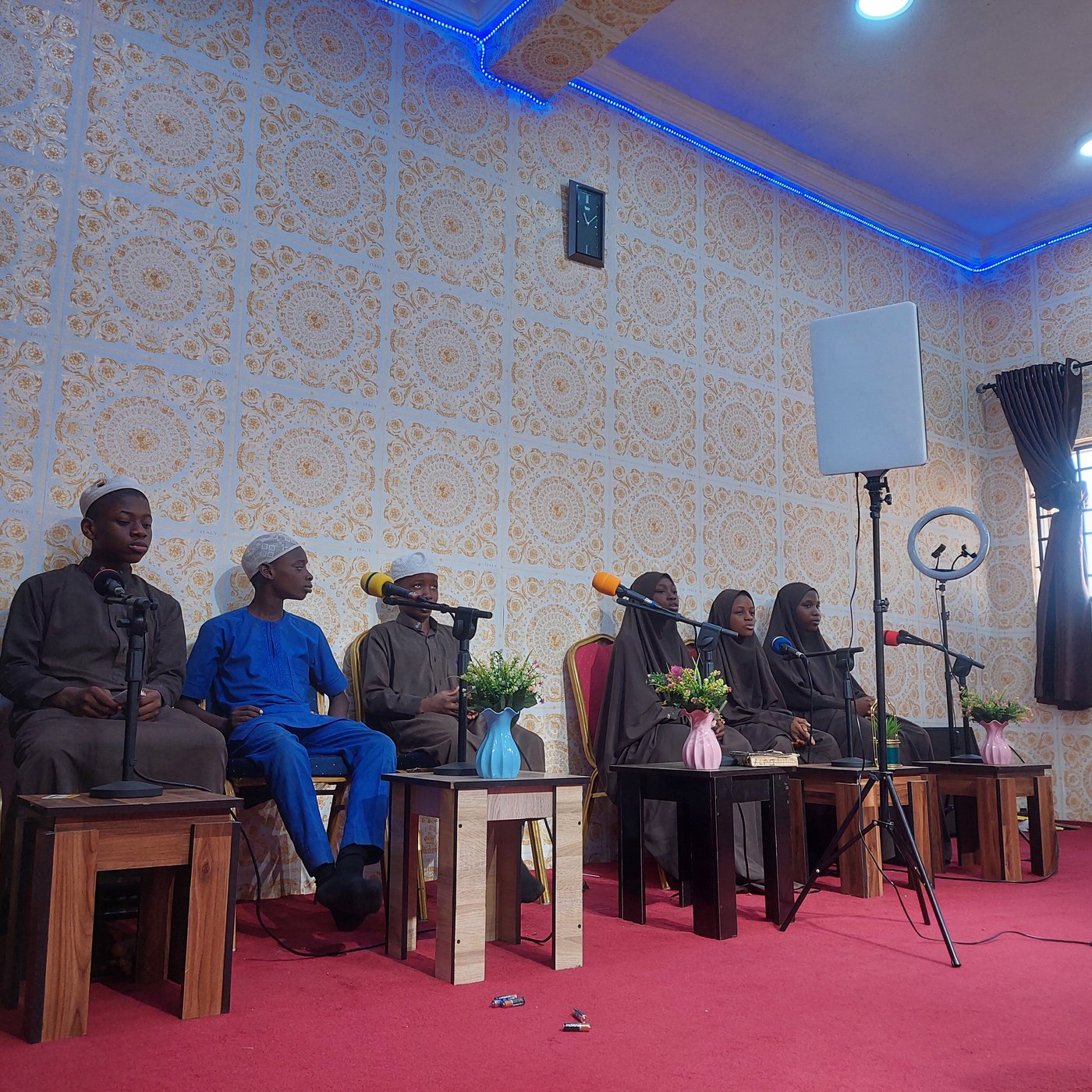
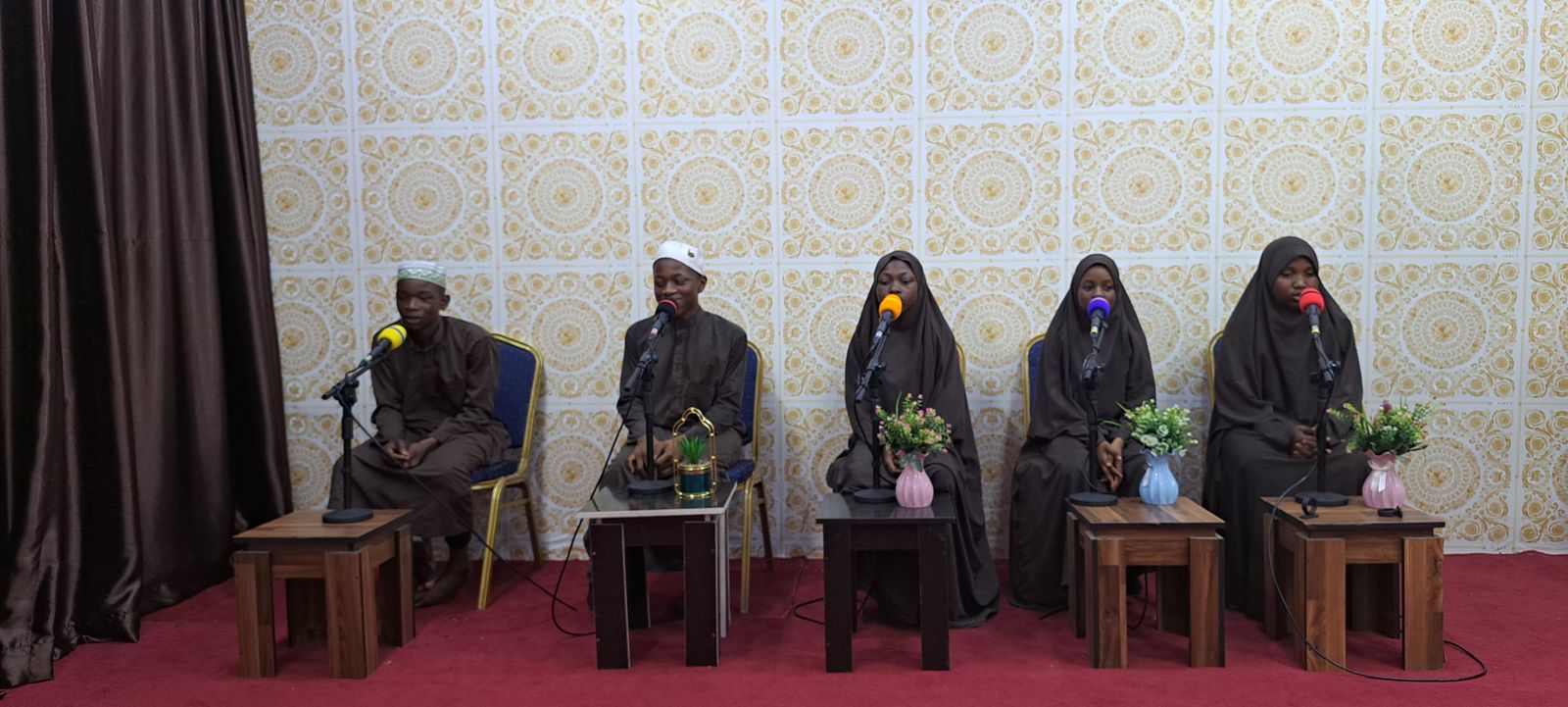
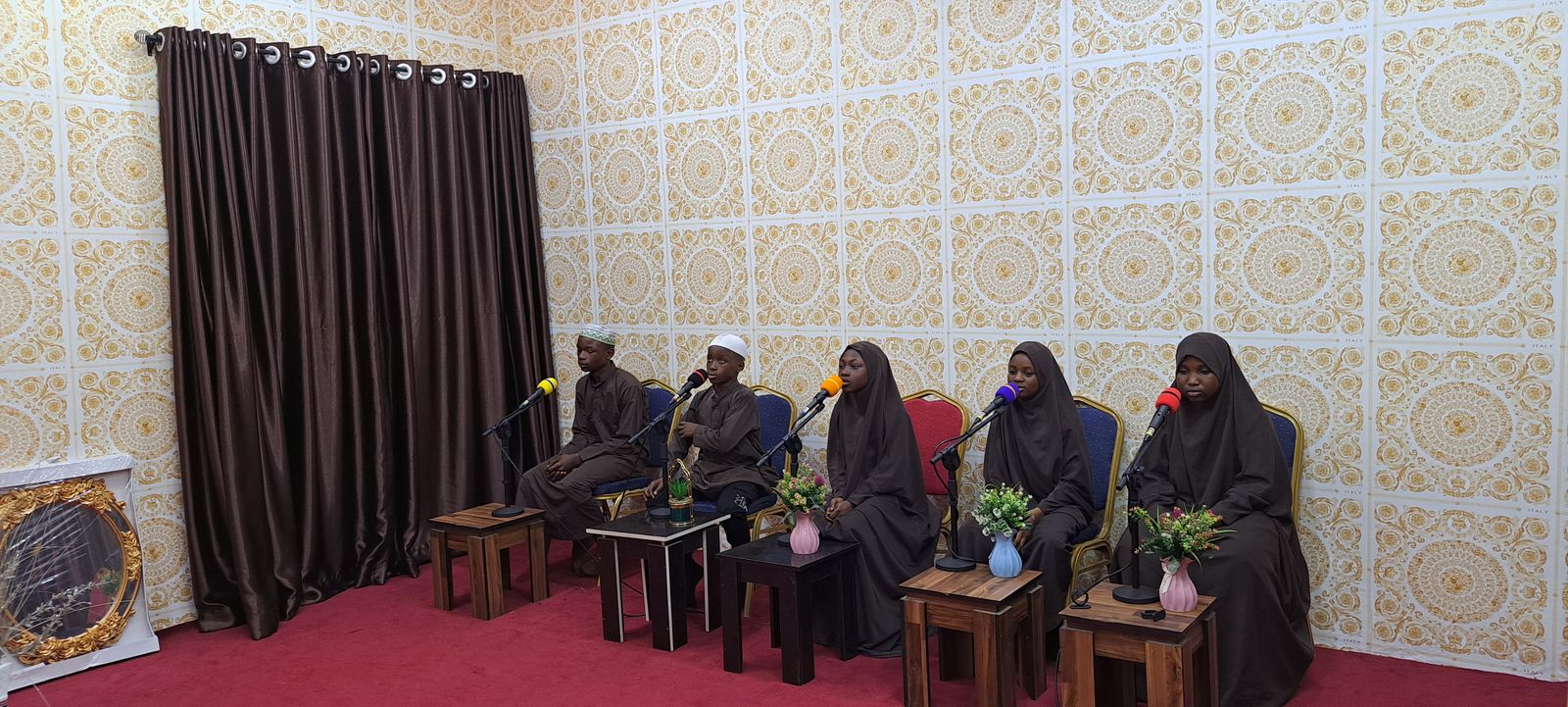
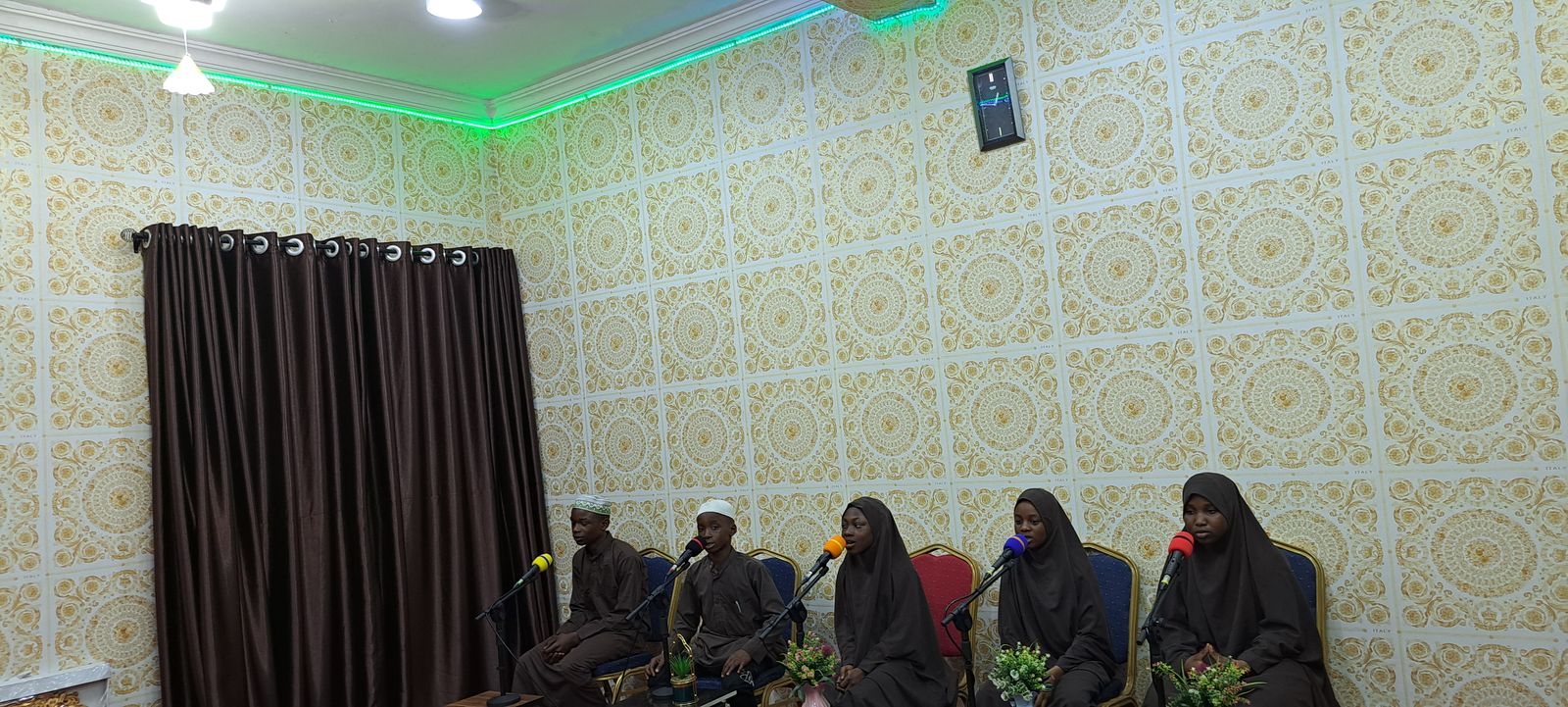
All thirty Juz' of the Qur'an committed to memory and kept there. Hifz is that memorisation, and it takes most students 24 to 36 months, by day or in boarding. New memorisation is paired with scheduled Muraja'ah, and a weekly check verifies that last week's work is still held before a student moves on. Tajweed, the discipline governing exact articulation, length and pausing in recitation, is treated as inseparable from the memorisation itself. Led by Imam Ahmad Sulaimiy. Boarding is for ages 9 to 16.
The fifth institution, constituted under the office of the Head of Schools / Administrator to carry Sultan Hanafi teaching beyond Ikorodu. Its programme, curriculum and faculty are settled by that office and published upon adoption.
A child raised well in both faith and scholarship will want for neither. That single conviction is the reason Sultan Hanafi Royal Schools exists, and the reason we refused to make families choose between a strong secular education and a serious Islamic one.
So we built five institutions rather than one. Each carries its own age range, curriculum and learning model: a Nursery and Primary School, a secondary Royal College, a School of Islamic and Arabic Studies, a Qur'an College, and a new Online & Distance Learning School. What they share is more important than what separates them. One Board of Governors. One CLEVER standard. One campus in Ikorodu, Lagos that welcomes Muslims and non-Muslims, sons and daughters, alike.
The result is a continuous path. A family can begin with a two-year-old learning to read and to pray in the same week, and stay with us through examinations, memorisation of the Qur'an, and beyond, never once stepping outside a community that holds academic excellence and Islamic character to the same measure.
0
Institutions
One Board of Governors
0
National Examinations
BECE, WAEC and NECO
0
National Curricula
Nigerian & Saudi Arabian
0
Learning Stages
Nursery to graduation
0
Rooted in Ikorodu
Imowonla community, Lagos
A child raised well in both faith and scholarship will want for neither.
The conviction on which this school was founded
The CLEVER Standard
One Standard, Held in Six Values
CLEVER is the measure every teacher is held to, in all five of our institutions, from a two-year-old's first morning to the day a student is granted an Ijazah: the classical licence to teach the Qur'an, awarded only after reciting the whole of it from memory to a named scholar.
Creativity
Children are taught to build things. Entrepreneurship, applied technology and problem-solving are timetabled subjects from the early years upward, and Coding sits on the Junior School's own assessment schedule.
Leadership
Prefectships, competitions and service give students the chance to lead early — and the character formation to lead justly, as Islam asks of them.
Engagement
Parents are treated as partners and kept close to the life of their children. Any safety incident, any illness beyond minor first aid, and any substantive disciplinary matter reaches the guardian the same day.
Versatility
Two national curricula, five institutions and flexible timetables let a family shape a path that fits their child — day or boarding, weekday or weekend, on campus or online.
Ethics
Daily Islamic character formation is the ground everything else is built on. Honesty, worship and adab are taught explicitly, modelled by staff, and expected in a child's daily conduct.
Reliability
A verifiable credential system, a published calendar and a governance charter mean families can trust what the school says — and check it.
How the Two Curricula Meet
What Integration Looks Like on a Tuesday
Any school can say it holds faith and scholarship together. The question a sceptical parent should ask is where that claim is written down and who signs it. Three places.
In the published timetable. Take the Junior School's First Continuous Assessment week, issued by the Registrar's Office. Monday assesses Maths, Garment Making and CCA. Tuesday, English & Diction, Business Studies and Social & Citizenship. Wednesday, Integrated Science, Yoruba and Digital Technology. Thursday, History and Coding. Every one of those days also carries Revision periods, a Break & Solat window and Islaamiyyah, printed once at the head of the schedule because they are fixed on every day of the week. Prayer is not a gap the academic day leaves open for it. It is a period in the same document as the examinations.
In the department structure. At Royal College, Arabic and the Islamic Sciences are academic departments, listed and staffed alongside Science & Technology and Mathematics & ICT. They carry their own subject sequence, their own specialist teachers and their own place in the examination calendar. A student strong in Chemistry and weak in Tafseer is a student with a weakness, and is taught accordingly. That structural decision is the school's entire argument, and it is made in a timetable rather than a motto.
In the evening, for boarders. The Qur'an College boarding routine sets a dedicated memorisation and Muraja'ah (revision) session inside the same evening as supervised study hours for a boarder's wider academic work. Both are published to guardians as part of a written daily routine covering wake time, prayer times, meals, study, free time and lights-out.
Two day schools form the spine of a child's academic years. Two further institutions run alongside them, open at any age and to the wider community, with a fifth in preparation, so the journey never has to pause and never has to leave.
2–5
Early Years
First words and first prayers, in the same week.
6–10
Primary
Literacy, numeracy and daily character formation.
10–18
Royal College
The BECE, then WAEC and NECO, across its academic departments.
Any age
Islamic & Arabic
Arabic mastery and the Islamic sciences, open to all.
Any age
Qur'an College
Memorisation (Hifz) to Ijazah: day and boarding, 24–36 months.
Anywhere
Online & Distance
Constituted to extend the campus beyond Ikorodu. Programme in preparation.
Not Two Timetables
One Upbringing, Taught Twice Over
Most schools that offer both keep them apart: a secular timetable, and an Islamic one bolted to the end of the day. Here the two run as one — the same staff, the same room, the same child — and the figure below is what that actually means when it is drawn out.
The two cross rather than run in parallel: Arabic and the Islamic Sciences sit at the Royal College as academic departments, listed and staffed alongside Science & Technology and Mathematics & ICT. The curriculum architecture →
At a Glance
Compare the Five Institutions
One standard, five distinct paths. Read across to find the fit, then open the full chapter for the school that suits your family.
Institution
Ages
Learning Model
Curriculum
Admission
Led By
Nursery & Primary
2–10 · Day
Whole-child, secular + Islamic
Nigerian, Islamic-infused
Standard application
Head Teacher Mrs. Mariam Tope Anofi-AbdulKareem
Royal College
10–18 · Day
Subject departments · BECE, WAEC, NECO
Nigerian National Curriculum
Standard application
Dr. Adegoke Musa Olatunji
Islamic & Arabic Studies
All ages · Weekday & weekend
Flexible timetable
Saudi Arabian curriculum
Standard application
Principal Shaykh Abubakr Solah
Qur'an College
All ages · Day & boarding
Intensive Hifz · 24–36 months
Hifz & Qur'anic Sciences
Standard application
Imam Ahmad Sulaimiy
Online & Distance Learning
All ages · Online
Newly established
To be published
Enquire
Head of Schools / Administrator's office
Royal College
The Departments, Named
Royal College teaches the Nigerian National Curriculum from JSS 1 to SSS 3, to the BECE and then to WAEC and NECO. Below are its academic departments and the subjects each one carries. Two of them are Arabic and the Islamic Sciences.
Languages
English and Yoruba, taught to examination standard. French, Hausa and Chinese are planned additions and are named here as future subjects until they are timetabled.
Mathematics & ICT
Mathematics, Further Mathematics, Computer Studies, Data Processing, and Programming and Coding. Coding is a school subject with its own place on the assessment schedule.
Humanities
Geography, History, Government, Civic Education, Art, Literature in English and Social Studies.
Science & Technology
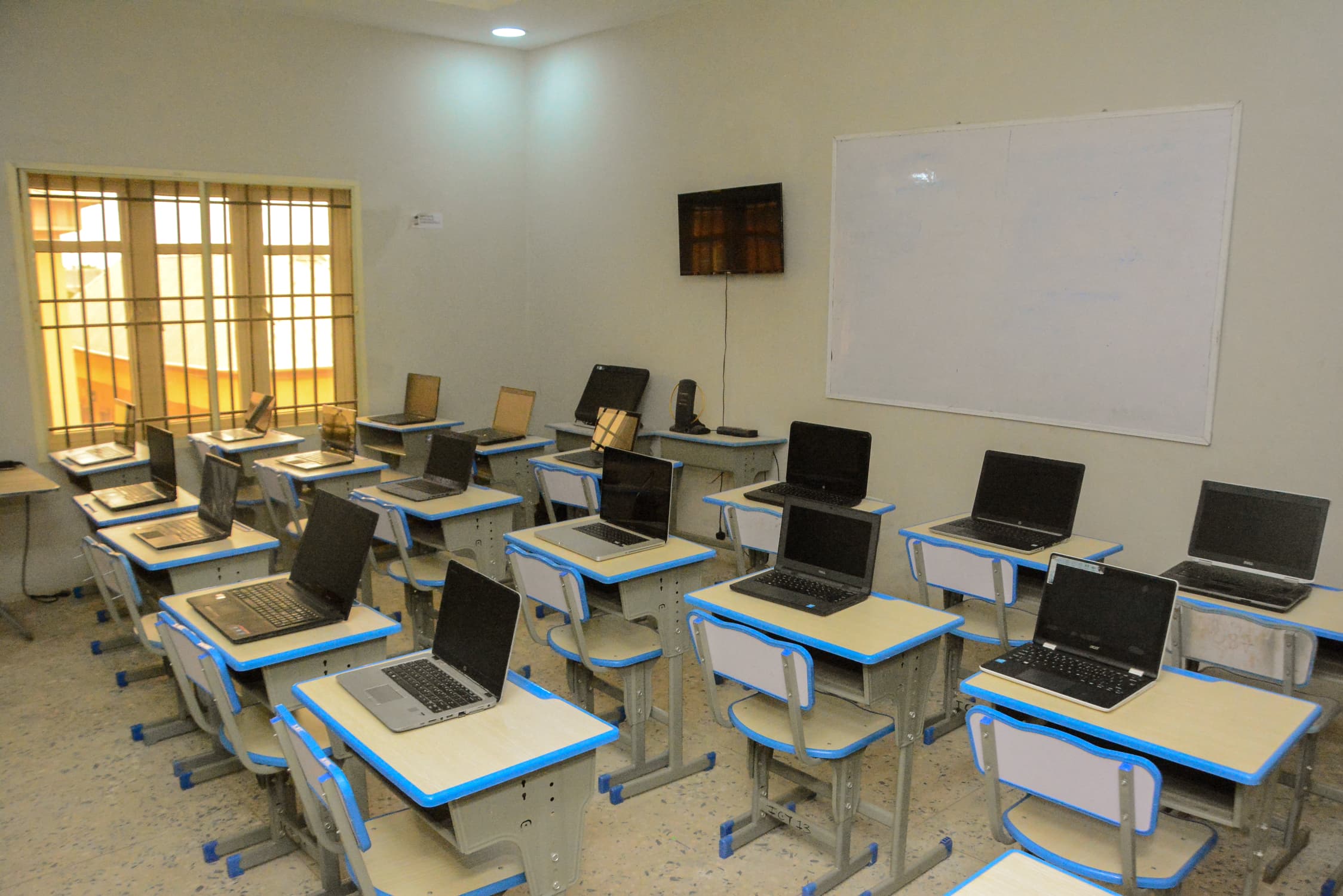
Biology, Physics, Chemistry, Agricultural Science, Food & Nutrition, Technical Drawing, Basic Technology, Home Economics and PHE. Biology and chemistry are taught in dedicated laboratories on campus.
Commerce & Management
Financial Accounting, Commerce, Economics, Bookkeeping, Marketing and Business Studies. Led by Mr. Afolabi Morufu Olalekan, Head of Department.
Fiqh, Usul-Fiqh, Tawheed, Seerah, Tajweed, Hadith, Ulumul-Hadith, Ulumul-Tafseer, Tafseer and Ilmu Qiraat.
Read the Arabic and Islamic Sciences lists beside the others. They have the same shape: a named discipline, a sequence of subjects, a syllabus that runs for years. That is the point. A parent deciding between a strong secular school and a serious Islamic one is being asked here to look at one page and see both, examined on one calendar, under one Principal.
Outcomes
What a Student Leaves With
A school is judged on what its graduates can show, and on how much of it a stranger can check without asking the school’s permission. Four things.
A national qualification. Royal College students sit the BECE at the end of junior secondary and the WAEC and NECO examinations at the end of senior secondary. Those are the same papers, set and marked by the same national bodies, as every other candidate in Nigeria. There is no internal certificate standing in for them, and no separate, gentler track for students who carry a heavy Arabic and Islamic Sciences load.
A scholarly licence, where it is earned. Qur'an College students who hold all thirty Juz', pass the retention-verification period, meet the Tajweed standard and are then examined by named scholars receive an Ijazah. It is signed by the examining scholars and entered permanently in the register under a unique reference number, which is why a graduate can have it verified twenty years later.
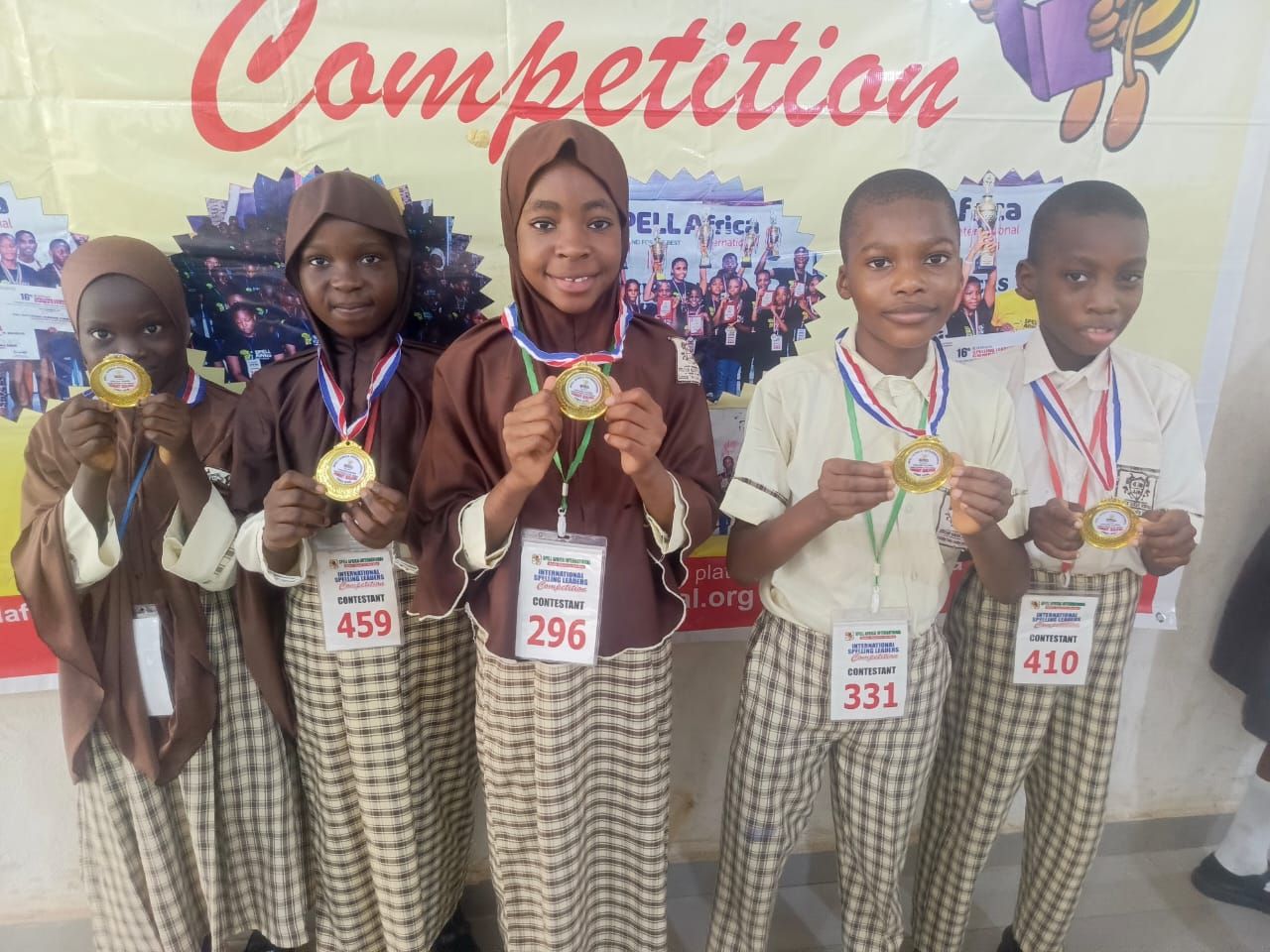
A record of competing outside these walls. Five Sultan Hanafi students represented the school at the SPELL Africa International Spelling Leaders Competition and each returned with a medal, gold among them.
A cohort still in the building. Royal College opened in 2021, and a pupil entering at JSS 1 spends six years reaching SSS 3. Aggregate pass rates and destination lists are published once a full cohort has passed through the school end to end, so that the figure describes a Sultan Hanafi education rather than a fragment of one. Until that cohort completes, the Registrar's Office answers the question directly, in writing, for any family that asks.
Choose the School. The Standard Is Already Chosen.
Start an application, ask a question, or read the comparison once more. Whichever of the five fits your child, the measure they are held to and the community they are welcomed into are the same.
Digital Academic AssistantSultan Hanafi Royal Schools
I'm an AI assistant, not a staff member — I can answer questions about the school and help with schoolwork, but for anything official please use the contact details below.
This site is published in seven liveries. Every one of them carries the same words, the same photographs and the same standard of legibility — only the colour changes. Move across them to see the page change beneath, and choose the one you would rather read in. You can change it again at any time in the Personalisation Centre.
More settings — type size, reading mode, motion, prayer times and the rest — are in the Personalisation Centre.